The Pearl-String Method

Scripture, Tradition and Authority
When you first open the Bible, it can feel like you are looking at a tray of pearls. Each verse has its own shine—but it is not always obvious how one connects to the next. The Pearl-String Method is a simple idea: instead of treating verses like isolated quotes, you string them together in order and let the flow of the passage guide what the passage means.
This overlaps with what is often called expository teaching, or exposition. Expository reading is text-first. You work through Scripture passage by passage—often verse by verse—to understand what the author is actually communicating in context. The goal is clarity and faithfulness to the text, not creativity for its own sake.
That is different from topical teaching, which begins somewhere else.
Topical teaching usually starts with a subject—stress, anxiety, marriage, money—and then gathers verses that appear to address that subject. Expository teaching starts with a passage and asks different questions: What does this text say? What did it mean in its original setting? And what follows from that meaning for readers today?
In practice, the difference comes down to this: who sets the agenda—the topic we choose, or the passage we are reading?
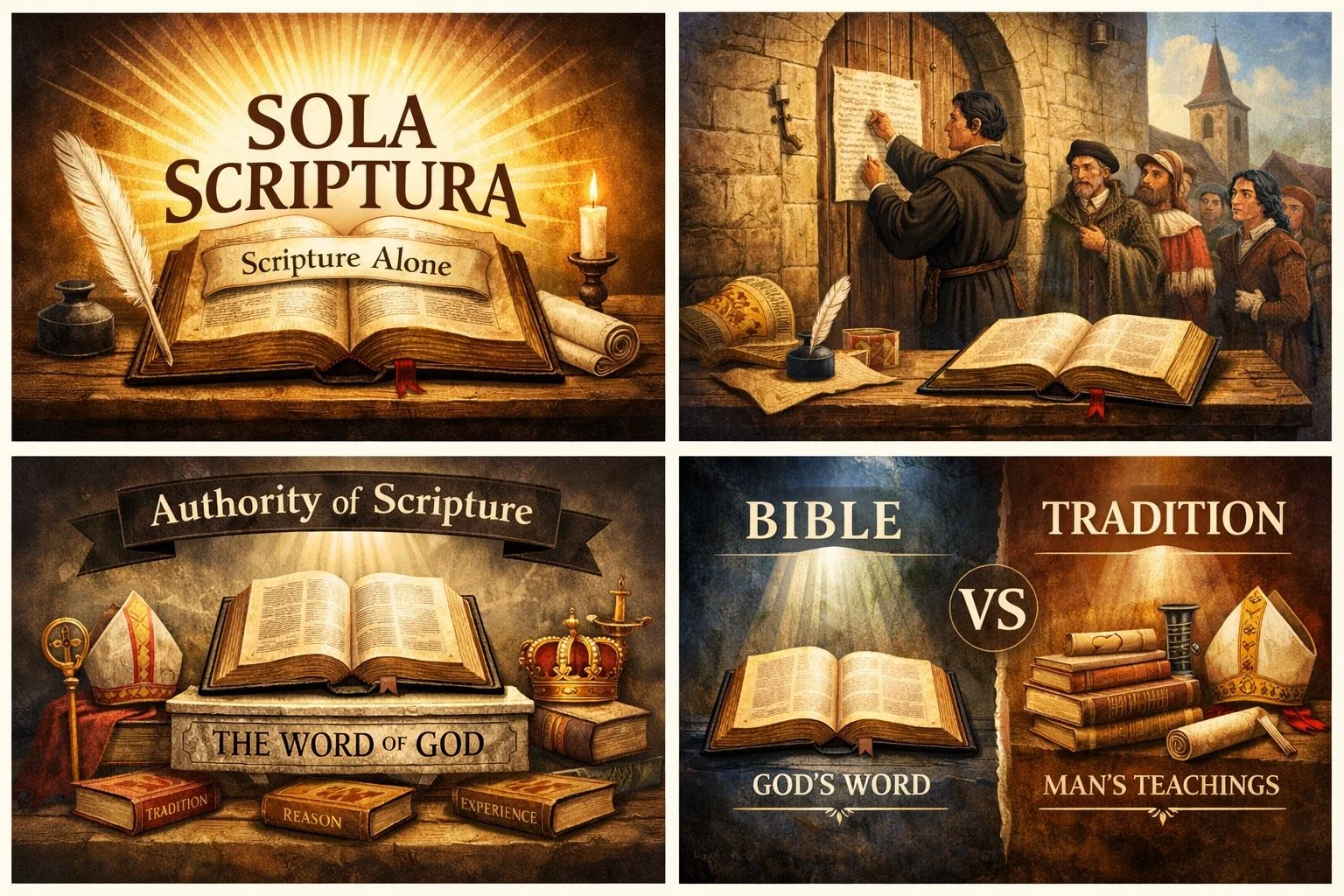
This book uses the Pearl-String Method to keep interpretation anchored to Scripture itself, especially when later traditions and habits tempt people to treat the Bible like a collection of stand-alone sayings.
Along the way, we will step into the first-century world—the environment in which the Church of God was born. That world was very different from ours, yet similar in important ways. And as you read, you will begin to see why Jesus and the apostles repeatedly challenged distorted interpretations of the Torah that developed through oral law and human tradition.
The goal here is straightforward: to give the lay reader a clearer picture of the Bible and the world it reflects—so you can read with sharper understanding and steadier confidence.
And with that added clarity, my hope is that God’s Word will become what the psalmist said it is:
“Your word is absolutely pure, and your servant loves it” (Psalm 119:140).